Categorie archief: Poëzie in songteksten
Yellow Ledbetter
Pearl Jam
.
Soms vraag je je af bij poëzie waar een gedicht of een tekst over gaat. In een aantal gevallen gaat poëzie ‘nergens over’ maar is de klank van een gedicht of de muzikaliteit, het ritme en de loop van de tekst belangrijk en niet zozeer de tekst zelf (zeer bekend voorbeeld Oote van Jan Hanlo). In de muziek komt dit ook voor en dan wordt dit meestal versterkt door de instrumenten die daarbij gebruikt worden.
In het nummer Yellow Ledbetter van Pearl Jam is de tekst ook niet of nauwelijks relevant. Op dit nummer improviseert Eddie Vedder de tekst in woorden en zinnen die schijnbaar geen relevantie hebben maar als je dan goed tussen de regels doorleest lijkt het toch misschien ergens over te gaan.
Op de zeer informatieve website http://songmeanings.com/ staat over dit nummer te lezen:
For the most part the lyrics in this song are irrelevant. The song was written by Mike McCready and Eddie just made up the words as he went along. Eddie’s voice is supposed to be more of an instrument by using improvised words, the words are never the same in concert. Ledbetter refers to Eddie’s friend from Chicago named Tim Ledbetter. If there is any meaning to the lyrics I think the letter in the beginning of the song refers to the telegrams that we sent to the families of soldiers KIA in WWII. The telegrams were so distinct that many families didn’t have to open them to know what they said. In the song I see a family sitting on a porch when a man comes to deliver a telegram and the family is so devestated about their loss that they cannot even bear to open it.
De stem van de zanger dus als extra instrument, of als ‘ poëtisch kunstwerk’ te plaatsen in de categorie waarin ook zovele gedichten vallen die schijnbaar zonder een duidelijk onderwerp zijn.
Hier de tekst en het nummer.
.
Yellow Ledbetter
Unsealed
On a porch a letter sat
Then you said I want to leave it again
Once I saw him
On a beach of weathered sand
And on the sand I want to leave it again
On a weekend want to wish it all way
And they called an I said an I want what
I said an I call out again
And the reason oughta leave her calm I know
I said I know what I wear that a box or the bag
Oh yeah can you see them?
Out on the porch
Ah, but they don’t wave
I see them
Round the front way, yeah
And I know and I know
I don’t want to stay
Make me cry
I see
I don’t know there’s something else
I want to drum it all away
An I said
“I don’t, I don’t know whether I was the boxer or the bag”
Oh yeah can you see them?
Out on the porch
Ah, but they don’t wave
I see them
Round the front way, yeah
And I know and I know
I don’t want to stay
I don’t want to stay
I don’t want to stay
.

.
Fix you
Coldplay
.
In het kader van poëzie en muziek én in de sfeer van kerst vandaag een nummer van Coldplay ‘Fix you’ van hun album ‘X & Y’ uit 2005. De tekst mag als zodanig misschien niet iedereen meteen aanspreken of heel poëtisch zijn maar in combinatie met de muziek is het zeer de moeite waard.
Tijdens het schrijven van het nummer was zanger Chris Martin beïnvloed door de band Muse, die een kerkorgel gebruikten in hun nummer “Megalomania” (van het album Origin of Symmetry). Omdat geluid na te maken gebruikte hij een oud keyboard dat Bruce Paltrow had gegeven aan Martins vrouw Gwyneth Paltrow. Martin heeft echter ook vaak gezegd dat het nummer een kopie is van Elbows ‘Grace under pressure’.
Het is het enige nummer van Coldplay waarin alle 4 de bandleden tegelijk zingen.
.
Fix you
When you try your best but you don’t succeed
When you get what you want but not what you need
When you feel so tired but you can’t sleep
Stuck in reverse
And the tears come streaming down your face
When you lose something you can’t replace
When you love someone but it goes to waste
Could it be worse?
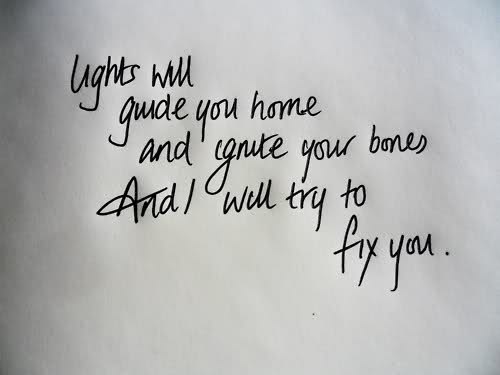
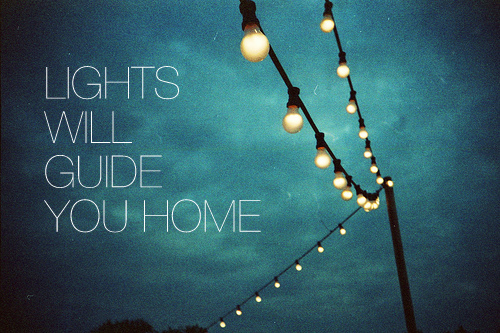
Lights will guide you home
And ignite your bones
And I will try to fix you
And high up above or down below
When you’re too in love to let it go
But if you never try you’ll never know
Just what you’re worth
Lights will guide you home
And ignite your bones
And I will try to fix you
Tears stream down your face
When you lose something you cannot replace
Tears stream down your face
And I
Tears stream down your face
I promise you I will learn from my mistakes
Tears stream down your face
And I
Lights will guide you home
And ignite your bones
And I will try to fix you
.
Gedicht versus songtekst
Poëzie in muziek
.
Op deze blog staan in de categorie Poëzie in songteksten, voorbeelden van liedteksten die een poëtische lading hebben of die ook als poëzie gelezen zouden kunnen worden. Toch zou je kunnen stellen dat maar weinig songteksten echt poëtisch zijn. Hoe kan dat? Een songtekst heeft over het algemeen de lengte die ook een gedicht heeft of kan hebben. Beide vertellen in weinig tekst een verhaal of proberen met weinig woorden een beeld of een verhaal te vertellen. En toch zijn ze zo verschillend.
Pat Pattison, tekstschrijver en dichter heeft in 2009 het boek ‘Writing better lyrics’ gepubliceerd. In een interview met hem komt de vraag over het verschil tussen liedtekst en gedicht aan de orde. Hij zegt er het volgende over:
Sinds de uitvinding van de drukpers zijn gedichten vooral geschreven voor het oog waar liedteksten vooral geschreven zijn voor het oor. Als consequentie volgt hieruit:
A. Dichters kunnen er van op aan dat de lezer in staat is om te stoppen en terug te gaan, of om een woord op te zoeken tijdens het lezen van het gedicht. Een tekstschrijver kan dit niet.
B. Omdat het einde van een regel in de poëzie een visuele cue is, kan een dichter een zin beëindigen, maar de inhoud verder naar de volgende regel laten doorlopen, waarmee hij spanning kan creëren, zonder dat dit tot verwarring leidt:
You may see their trunks arching in the woods?
Years afterwards, trailing their leaves on the ground?
Like girls on hands and knees that throw their hair?
Before them over their heads to dry in the sun.?
Robert Frost –“Birches”
De spanning tussen het einde van de derde zin en hoe dit beeld wordt voortgezet in de volgende regel, voelt alsof de meisjes daadwerkelijk met hun haar gooien …
Een liedtekstregel heeft een sonische cue-einde van een melodie frase. Omdat het lied is gericht op het oor. Wanneer een tekstschrijver probeert een gedachte uit te voeren in de volgende melodische frase, creëert dit meestal verwarring, want er is een discrepantie tussen de melodische routekaart en grammaticale structuur.
C. Omdat een songtekst een sonische gebeurtenis (gericht aan het oor) is, is rijm belangrijk, want het bevat een stappenplan voor het oor; toont relaties tussen de zinnen, creëert het een voorwaartse beweging, creëren het zowel stabiliteit als instabiliteit in onderdelen, en vertelt het het oor waar deze onderdelen eindigen.
Hoewel rijm gebruikelijk is in de poëzie, is het minder belangrijk, omdat de lezer kan zien waar een sectie eindigt. Zelfs wanneer gedichten rijmen, wordt niet per se aangekondigd waar het einde van een zin of het einde van een sectie is:
O wild West Wind, thou breath of Autumn’s being,
Thou, from whose unseen presence the leaves dead
Are driven, like ghosts from an enchanter fleeing,
Yellow, and black, and pale, and hectic red,
Pestilence-stricken multitudes: O thou,
Who chariotest to their dark wintry bed
The winged seeds, where they lie cold and low,
Each like a corpse within its grave, until
Thine azure sister of the Spring shall blow
Her clarion o’er the dreaming earth, and fill
(Driving sweet buds like flocks to feed in air)
With living hues and odours plain and hill:
Shelly –“Ode to the West Wind”
Hierbij moet worden opgemerkt dat de recente trend naar de presentatie van gedichtenslams en rap, beide meer gericht zijn op het oor dan op het oog, rijm wordt een belangrijk element, daar beide gericht zijn op het oor in plaats van op het oog.
D. De compositorische strategieën van de dichter verschillen dramatisch van die van de tekstschrijver. De overgrote meerderheid van de gedichten, vaste vorm, leeg vers, of het vrije vers, zijn lineaire verplaatsingen, het verplaatsen van idee naar idee, zin naar zin, tot het einde. Behalve in uitzonderlijke gevallen, zoals het rondeel, maakt poëzie in haar compositorische strategie geen gebruik van herhaling van de inhoud. Oudere ballade-achtige poëzie maakt soms gebruik van herhaling, maar let op dat het werd uitgevoerd, en gericht aan het oor in plaats van het oog.
Teksten zijn sterk afhankelijk van herhaalde content, meestal refreinen en coupletten. In de ontwikkeling van ideeën moet de tekstschrijver rekening houden met de herhaalde secties, en in het ideale geval, proberen deze te transformeren of te verdiepen telkens als we de zinnen opnieuw horen. Let op hoe de zin “What’ll I do” gewicht legt in elke sectie als gevolg van de focus. Eerst afstand; tweede, het gevaar van het vinden van een nieuw iemand; en tot slot, de hartverscheurende aankondiging dat de liefde voorbij is:
What’ll I do
When you are far away
And I am blue
What’ll I do?
What’ll I do?
When I am wond’ring who
Is kissing you
What’ll I do?
What’ll I do with just a photograph
To tell my troubles to?
When I’m alone
With only dreams of you
That won’t come true
What’ll I do?
Irving Berlin
E. Een tekstschrijver heeft een zeer beperkte ruimte om mee te werken. Normale commerciële songs duren maximaal 2 ½ tot 3 minuten, wat deze ruimte dramatisch beperkt. Nog afgezien van de herhaalde refreinen of refreinen, bestaat het gemiddelde commerciële lied uit 12 tot 20 zinnen. Tenzij wordt gewerkt in een vaste vorm (sonnet, terza rima, haiku’s etc), kan het gedicht zo lang als het nodig heeft doorgaan.
F. Liedteksten zijn veel meer afhankelijker van regelmatig ritme dan gedichten, omdat het ritme van een songtekst is verbonden met het muzikale ritme. Het muzikale ritme, omdat het de lengte van een lettergreep kan verlengen, het ritme kan syncoperen ( het verdringen van beats of accenten in (muziek of een ritme), zodat sterke beats zwak worden en vice versa), en kan transformeren van iets wat gesproken heel saai zou zijn naar wat een interessante reis kan worden.
Er zijn nog vele andere verschillen. Dus als iemand zegt dat een liedtekst pure poëzie is, dan wordt waarschijnlijk bedoeld dat de tekst is een frisse, interessante taal is geschreven waarbij beelden en metaforen effectief worden gebruikt. Want dat is iets dat interessante en goede poëzie en liedteksten gemeen hebben.

Wil je het hele interview met Pat Pattison lezen ga dan naar http://www.writersdigest.com/qp7-migration-books/writing-better-lyrics-interview
Waltzing Matilda
Tom Waits
.
Teksten van liedjes hebben vaak een poëtische waarde. Tekstdichters zijn soms ook goede dichters. Een voorbeeld van een poëtische tekst is de tekst van Waltzing Matilda van Tom Waits.
‘Tom Traubert’s blues’, zoals de officiële titel van ‘Waltzing Matilda’ luidt komt van zijn album ‘Small Change’ uit 1976 en is een verwijzing naar een populair Australisch volksliedje waarvan de melodie dan weer van een Schots liedje is. In het nummer van Tom Waits is het een mogelijke verwijzing naar alcoholmisbruik of het spuiten van heroïne, zoals de militairen het noemde tijdens de Vietnamoorlog.
Waltzing Matilda
Wasted and wounded
And it ain’t what the moon did
I got what I paid for now
See you tomorrow
Hey Frank can I borrow
A couple of bucks from you
To go waltzing Matilda waltzing Matilda
You’ll go waltzing Matilda with me
I’m an innocent victim
of a blinded alley
And I’m tired of all these soldiers here
No-one speaks English
And everything’s broken
And my strength is soaking away
To go waltzing Matilda, waltzing Matilda
You’ll go a waltzing Malitda with me
Now the dogs they are barking
and the taxi cab’s parking
A lot they can do for me
I begged you to stab me
You tore my shirt open
And I’m down on my knees tonight
Old bushmills I staggered
You buried the dagger
Your silhouette window light
To go waltzing Matilda, waltzing Matilda
You’ll go a waltzing Matilda with me
Now I’ve lost my St. Christopher
Now that I kissed her
And the one-arm bandit knows
And the maverick Chinaman
with the cold-blooded sigh
And the girls down by the striptease shows go
Waltzing Matilda, waltzing Matilda
You’ll go a waltzing Matilda with me
No I don’t want your sympathy
Fugitives say
that the streets aren’t for dreaming now
Manslaughter dragnet
and the ghost that sells memories
Want a piece of the action anyhow
Go waltzing Matilda, waltzing Matilda
You’ll go waltzing Matilda with me
And you can ask any sailor
And the keys from the jailor
And the old men in wheelchairs know
That Matilda’s the defendant
She killed about a hundred
And she follows wherever you may go
Waltzing Matilda, waltzing Matilda
You’ll go waltzing Matilda with me
And it’s a battered old suitcase
in a hotel someplace
And a wound that would never heal
No prima donnas the perfume is on
and old shirt that is stained with blood and whiskey
And goodnight to the street-sweepers,
The night watchmen flame-keepers
And goodnight Matilda too
Goodnight Matilda too.
A Poem on the Underground Wall
Simon & Carfunkel
.
Sommige liedjes hebben niet alleen een poëtische tekst of zijn poëtisch van aard, een enkele gaat ook over poëzie zoals het nummer van Simon & Carfunkel uit 1966 ‘A Poem on the Underground Wall’. Dit nummer werd geschreven door Paul Simon en verscheen op het album ‘Parsley, Sage, Rosemary and Thyme’.
Hoewel het nummer maar 1 minuut 52 seconden duurt verteld het liedje een heel verhaal. De anekdote over dit nummer is dat de fotoshoot voor de cover van het album op een vroege woensdagochtend (3 uur) werd verpest, omdat de muur van de metro, die ze wilden gebruiken als achtergrond, was bekalkt met allerlei obscene teksten.
.
.
A Poem On The Underground Wall
.
The underground is closing soon,
And in the dark deserted station,
Restless in anticipation,
A man waits in the shadows.
.
His restless eyes leap and scratch,
At all that they can touch or catch,
And hidden deep within his pocket,
Safe within its silent socket,
He holds a colored crayon.
.
Now from the tunnel’s stony womb,
The carriage rides to meet the groom,
And opens wide and welcome doors,
But he hesitates, then withdraws
Deeper in the shadows.
.
And the train is gone suddenly
On wheels clicking silently
Like a gently tapping litany,
And he holds his crayon rosary
Tighter in his hand.
.
Now from his pocket quick he flashes,
The crayon on the wall he slashes,
Deep upon the advertising,
A single worded poem comprised
Of four letters.
.
And his heart is laughing, screaming, pounding
The poem across the tracks rebounding
Shadowed by the exit light
His legs take their ascending flight
To seek the breast of darkness and be suckled by the night.
One
U2
.
Er zijn liedteksten die als een gedicht aanvoelen, waarvan je bij beluistering niet een, twee, drie weet waar ze nu precies over gaan. Dat heb ik bij het nummer ‘One’ van U2. Omdat ik nieuwsgierig was ben ik eens gaan zoeken en wat blijkt? One is een bijzonder nummer van U2.
Als derde single van het album ‘Achtung Baby’ kwam het uit in 1992. Het nummer nam de spanningen weg tussen Bono en The Edge aan de ene kant en Larry Mullen jr en Adam Clayton aan de andere kant die er waren over de te varen koers. De eerstgenoemden wilde de kant van de elektronische en dancemuziek kant op en de laatstgenoemden wilden aan de oude U2 stijl vast houden. Fans beschouwen One dan ook als het nummer dat U2 redde.
Persoonlijk vind ik de versie met Mary J. Blige ook erg fraai maar voor de echte U2 fans is natuurlijk maar één uitvoering de beste.
Maar waar gaat ‘One’ over?
‘One’ kan op veel verschillende manieren worden geïnterpreteerd. De meest eenvoudige interpretatie zegt dat het gaat over twee mensen die van elkaar houden, maar elkaar toch pijn doen. Dit heeft te maken met de slechte relatie tussen Bono en zijn vader en de dood van zijn moeder, toen hij 14 was. In een interview zei Bono over het schrijven van ‘One’: “Er gebeurde in die tijd veel in mijn hoofd. Ik dacht na over vergeving en de band tussen vader en zoon.”
Een andere interpretatie is minder autobiografisch. In een interview met de Los Angeles Times in 1993 zegt Bono: “Het is een nummer over samenkomen, maar niet het oude hippie-idee van “Let’s all live together”. Eigenlijk is het juist het tegenovergestelde. We zijn één, maar niet hetzelfde. Het zegt niet dat we bij elkaar willen komen, maar dat we dat moeten, om te overleven. Het herinnert ons er aan dat we geen keuze hebben.”
Hoe dan ook, het blijft een intrigerende tekst, oordeel zelf.
.
One
.
Is it getting better
Or do you feel the same
Will it make it easier on you now
You got someone to blame
You say…
.
One love
One life
When it’s one need
In the night
One love
We get to share it
Leaves you baby if you
Don’t care for it
.
Did I disappoint you
Or leave a bad taste in your mouth
You act like you never had love
And you want me to go without
Well it’s…
.
Too late
Tonight
To drag the past out into the light
We’re one, but we’re not the same
We get to
Carry each other
Carry each other
One…
Have you come here for forgiveness
Have you come to raise the dead
Have you come here to play Jesus
To the lepers in your head
.
Did I ask too much
More than a lot
You gave me nothing
Now it’s all I got
We’re one
But we’re not the same
Well we
Hurt each other
Then we do it again
You say
Love is a temple
Love a higher law
Love is a temple
Love the higher law
You ask me to enter
But then you make me crawl
And I can’t be holding on
To what you got
When all you got is hurt
One love
One blood
One life
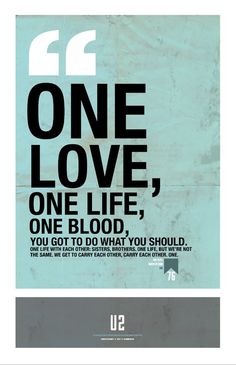
You got to do what you should
One life
With each other
Sisters
Brothers
One life
But we’re not the same
We get to
Carry each other
Carry each other
.
One…life
.
One
.
Er zijn drie versies van de videoclip van ‘One’ deze is gemaakt door Anton Corbijn
Gedicht als inspiratie voor song
Cucurucu
.
Donderdagochtend was singer-songwriter Nick Mulvey bij de ochtendshow van Giel Beelen. Zijn nieuwste single Cucurucu is, zo vertelde hij, een combinatie van een gedicht van D.H. Lawrence en een kinderrijmpje dat zijn moeder vroeger voor hem zong.
Het gedicht van D.H. Lawrence heet ‘Piano’ en dat kun je hieronder lezen.
.
Piano
.
Softly, in the dusk, a woman is singing to me;
Taking me back down the vista of years, till I see
A child sitting under the piano, in the boom of the tingling strings
And pressing the small, poised feet of a mother who smiles as she sings.
In spite of myself, the insidious mastery of song
Betrays me back, till the heart of me weeps to belong
to the old Sunday evenings at home, with the winter outside
And hymns in the cosy parlour, the tinkling piano our guide.
So now it is vain for the singer to burst into clamour
With the great black piano appassionato. The glamour
Of childish days is upon me, my manhood is cast
Down in the flood of remembrance, I weep like a child for the past.
.
En dit is wat Nick Mulvey ervan heeft gemaakt.
.
.
Met dank aan Youtube en 3FM
Hoop
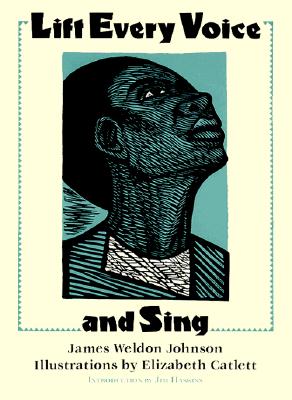
Lift every voice and sing
.
Hoop vind ik een mooi begrip, een mooi woord ook. Het straalt optimisme en positiviteit uit. Toen ik gisterochtend een artikel las over Maya Angelou (waarover ik gister schreef naar aanleiding van haar overlijden) kwam ik het volgende stukje tegen:
“De kracht van het woord ontdekte ze (Maya Angelou) in 1940, tijdens een ceremonie ter afsluiting van haar lagere school. Een klasgenootje droeg daar het ‘negervolkslied’ voor, een gedicht van James Weldon Johnson. Wij zijn een weg gegaan die nat is van tranen, wij hebben ons een weg gebaand door het bloed van doden.”
Nieuwsgierig geworden naar dit gedicht zocht ik op de titel en kwam de Wikipedia pagina tegen met de tekst en de historie.
‘Lift every voice and sing’ is geschreven door James Weldon Johnson (1871 – 1938) in 1900 en voor het eerst gereciteerd door 500 schoolkinderen van de gesegregeerde Stanton School. Johnson schreef het gedicht als introductie van zijn gast Booker T. Washington (ter gelegenheid van het vieren van de verjaardag van Lincoln). In 1905 werd het gedicht door zijn broer John Rosamond Johnson op muziek gezet.
Door de jaren heb is het gedicht en het lied bekend geworden als ‘The negro National Anthem’ en werd door veel zwarte Amerikanen uitgevoerd waaronder Stevie Wonder, Anita Baker en Bobby Brown.
In de autobiografie ‘I know why the caged bird sings’ van Angelou wordt het lied gezongen door studenten en publiek bij haar afstuderen.
Een heel bijzondere versie van dit lied is de uitvoering van Al Green en Deniece Williams, bijgestaan door onder andere Roberta Flack. Persoonlijk hou ik enorm van de hoop die gospel en soulmuziek in zich bergt, bij deze uitvoering komt dat bijzonder sterk naar voren.
.
Lift every voice and sing
Lift every voice and sing
Till earth and heaven ring,
Ring with the harmonies of Liberty;
Let our rejoicing rise
High as the listening skies,
Let it resound loud as the rolling sea.
Sing a song full of the faith that the dark past has taught us,
Sing a song full of the hope that the present has brought us,
Facing the rising sun of our new day begun
Let us march on till victory is won.
Stony the road we trod,
Bitter the chastening rod,
Felt in the days when hope unborn had died;
Yet with a steady beat,
Have not our weary feet
Come to the place for which our fathers sighed?
We have come over a way that with tears has been watered,
We have come, treading our path through the blood of the slaughtered,
Out from the gloomy past,
Till now we stand at last
Where the white gleam of our bright star is cast.
God of our weary years,
God of our silent tears,
Thou who has brought us thus far on the way;
Thou who has by Thy might Led us into the light,
Keep us forever in the path, we pray.
Lest our feet stray from the places, our God, where we met Thee,
Lest, our hearts drunk with the wine of the world, we forget Thee;
Shadowed beneath Thy hand,
May we forever stand.
True to our God,
True to our native land.
.
Ik kan de video hier niet delen maar je kunt hem vinden op:
Met dank aan Wikipedia
Suzanne Vega
Poëzie in muziek
.
De zangeres Suzanne Vega is vooral bekend als zangeres van hits als ‘Luka’, ‘Tom’s diner’ en ‘Left of center’. Wat minder bekend is, is dat ze ook gedichten schrijft en verhalen.
Zo verscheen van haar in 1999 het boek “The Passionate Eye: The Collected Writing of Suzanne Vega” met daarin verhalen, herinneringen, gedichten en songteksten. Op haar officiële website is zelfs een pagina besteed aan gedichtjes uit haar jeugd. Daar kun je al lezen dat ze op zeer jonge leeftijd talent had voor taal.
Haar jeugdpoëzie staat op http://www.suzannevega.com/suzannes-childhood-poems/
Maar ook in de teksten van haar liedjes blijkt een poëtisch taalgevoel. Hieronder de tekst van een van haar grootste hits Luka.
.
Tom’s Diner
I am sitting
In the morning
At the diner
On the corner
I am waiting
At the counter
For the man
To pour the coffee
And he fills it
Only halfway
And before
I even argue
He is looking
Out the window
At somebody
Coming in
“It is always
Nice to see you”
Says the man
Behind the counter
To the woman
Who has come in
She is shaking
Her umbrella
And I look
The other way
As they are kissing
Their hellos
I’m pretending
Not to see them
Instead
I pour the milk
I open
Up the paper
There’s a story
Of an actor
Who had died
While he was drinking
It was no one
I had heard of
And I’m turning
To the horoscope
And looking
For the funnies
When I’m feeling
Someone watching me
And so
I raise my head
There’s a woman
On the outside
Looking inside
Does she see me?
No she does not
Really see me
Cause she sees
Her own reflection
And I’m trying
Not to notice
That she’s hitching
Up her skirt
And while she’s
Straightening her stockings
Her hair
Has gotten wet
Oh, this rain
It will continue
Through the morning
As I’m listening
To the bells
Of the cathedral
I am thinking
Of your voice…
And of the midnight picnic
Once upon a time
Before the rain began…
I finish up my coffee
It’s time to catch the train
.
Zanger Rammstein in de poëzie
Till Lindemann
.
Rammstein is een Duitse metalband die naar eigen zeggen “Tanzmetall” produceert, ofwel een synthese van progressive metal, industrial en techno, met enige gothic-invloeden. De zanger van Rammstein, Till Lindemann heeft in 2002 een dichtbundel geschreven met de titel ‘Messer’. Nu wordt ook zijn nieuwe bundel ‘In stillen Nächten’ in een Nederlandse vertaling op de markt gebracht. Op http://messer.skynetblogs.be/ zijn alle gedichten van ‘Messer’ in een Nederlandse vertaling te lezen. Hieronder het gedicht ‘Nebel’ in het Duits en in de Nederlandse vertaling.
.
Nebel
Wenn die Nebel aus den Wiesen steigen
werd ich mir die Haut aufschneiden
zwei Faden unterm Schluesselbein
lass ich das weisse Meer hinein
Ich steche mir die Augen aus
ohne Fenster ist das Haus
schlag mir schoen den Schaedel ein
dann schneit es und mein Hirn friert ein
Ich hacke meine Brust aus Spass
es regnet und mein Herz wird nass
oeffne meine dicken Venen
und schenk dir Straeusse roter Traenen
Ich schneide wie ein Blatt Papier
jeden Tag ein Stueck von mir
leg dir die Teile auf die Stirn
versenke sie in deinem Hirn
bis ich winzig und ganz klein
zieh dann in deinen Koerper ein
Ich werde auf deine Brueste steigen
und mir selbst die Aussicht zeigen
durch die Lippen kriechen muessen
kann ich deine Zunge kuessen
Der Leberfleck auf deinem Bein
soll meine kleine Insel sein
die kleine Narbe wird mein Nest
ich mich an den Haerchen fest
wenn du das blasse Kleid anziehst
und weine wenn du Maerchen liest
.
Nevel
Als nevels uit de velden stijgen
zal ik in mijn huid gaan snijden
twee vadems onder het sleutelbot
de witte vloed naar binnen stormt
Ik steek mijn ogen uit alle twee
het huis heeft nu geen ramen meer
sla me de schedel in, ja dat is fijn
het sneeuwt en vriest nu in m’n brein
Ik hak op mijn borst in als grap
het regent en m’n hart wordt slap
open mijn vette banen vol bloed
schenk je tuilen tranen in rode gloed
Ik snijd als uit een blad papier
dagelijks een stuk van mijzelf hier
leg dan alle delen op je front
laat ze zinken in je hersenmond
tot ik nietig en heel smal
in je lichaam binnenval
Ik zal op je borsten klimmen
me over het uitzicht bezinnen
door je lippen moeten kruipen
om op je tong te kunnen zuigen
Op je been een levervlek
dat wordt mijn basisstek
het kleine litteken mijn nest
je donsharen mijn houvast
als je het bleke kleed aantrekt
en weende als je sprookjes las
.





 ZICHTBAAR ALLEEN